Recovery Guide
The short answer
Recovery Guide explains common phases of healing while recognizing that timing varies by procedure and patient. It may suit patients planning support, activity limits, follow-up visits, and time away from normal routines. Suitability is decided individually at the Northglenn practice after an examination and a review of your medical history.
The general arc of recovery, by procedure family, with honest timelines rather than promises.
In short
What else should you know?
Most patients feel substantially better within the first couple of weeks, but feeling better and being healed are different things.
Final results follow the resolution of swelling, commonly months, and up to about a year for abdominoplasty. Every timeline here describes what is typical for most patients and is subordinate to the protocol Dr. Samas gives you.

Why timelines vary
Recovery is set by the operation, not by the patient's willpower
There is no single recovery timeline for plastic surgery, because the operations are not comparable. Removing a small lesion under local anesthetic and repairing separated abdominal muscle are different events for the body.
The broad predictor is how much tissue was moved, lifted or excised, and whether muscle was repaired. Muscle repair is the single thing that most extends the restricted period, because the repair has to hold.
The second predictor is you: your health, whether you use nicotine, how well you sleep, and how disciplined you are about restrictions in the weeks when you feel well enough to break them.
By procedure family
What is typical for most patients
General patterns only. Your own timeline comes from Dr. Samas and overrides anything here.
- Minor in-office procedures such as lesion removal or earlobe repair: back to ordinary activity quickly, with local wound care for a couple of weeks.
- Injectables: most people return to normal activity soon after, though bruising and swelling are common for a few days.
- Liposuction alone: soreness and firmness for weeks, garment wear as instructed, and swelling that keeps changing the contour for months.
- Breast augmentation: the first week is the demanding one, with restrictions on lifting and overhead activity for several weeks afterward.
- Breast lift, reduction or implant exchange: similar in feel, with more attention to incision care because there is more incision.
- Abdominoplasty, especially with muscle repair: the longest restricted period on this list, with a stooped posture early on and results that continue settling for up to about a year.
- Mommy makeover or combined procedures: recovery follows the most demanding component, not the average of them.
Garments, drains and swelling
What the first weeks actually involve
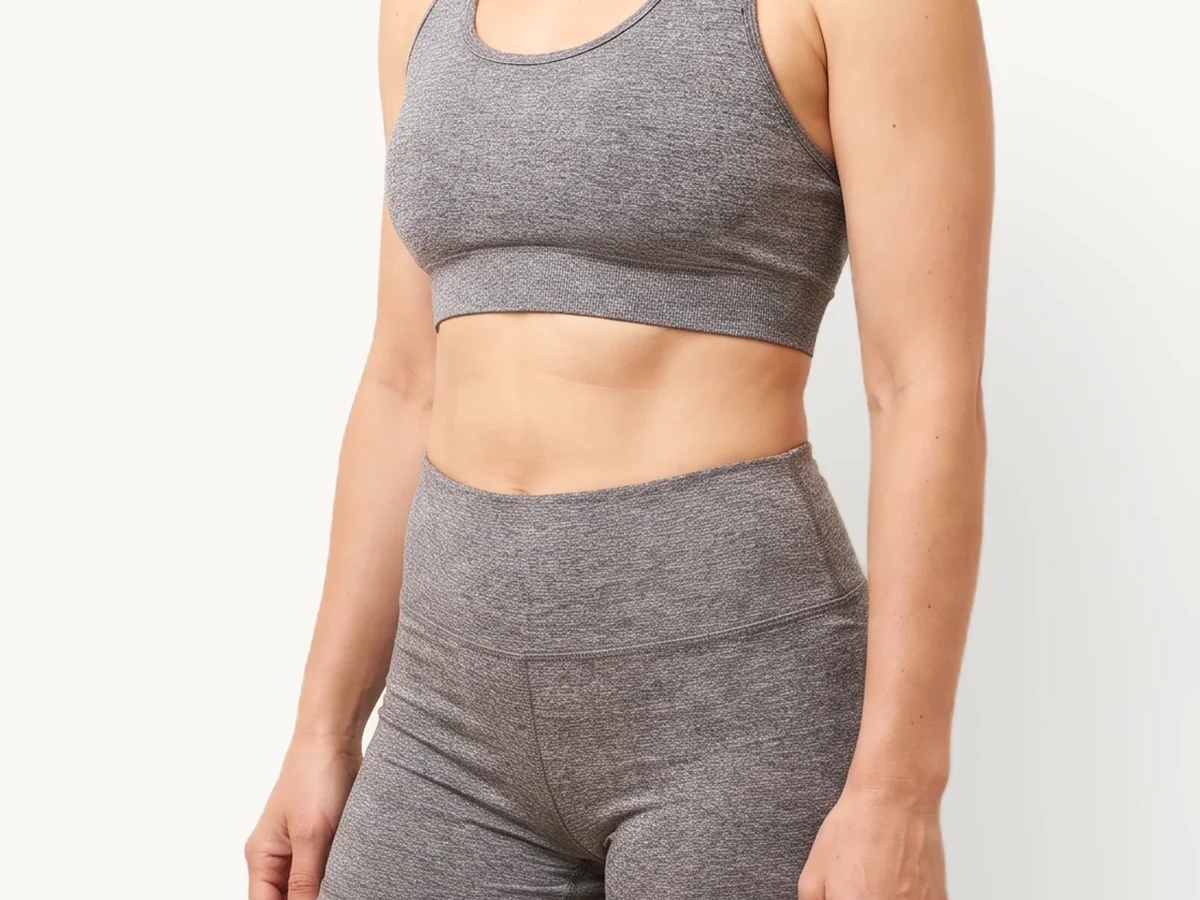
Compression garments help control swelling, support healing tissue and make moving around more comfortable. Wear them as instructed. We do not claim they prevent seroma or tighten skin, because the evidence for those specific claims is low quality and we would rather tell you that than sell you a garment on a false premise.
If drains are used, you will be shown how to manage and record them before you go home, and they come out when the output allows rather than on a fixed day.
Swelling is the reason results take so long to declare themselves. It fluctuates with activity, salt, heat and travel, and it resolves unevenly. That is also why final results after liposuction and abdominoplasty are judged in months rather than weeks.
Call the office
Things that should not be waited out
Recovery has a normal range. These fall outside it and are worth a phone call rather than a search engine.
- Fever, spreading redness, or increasing rather than decreasing pain.
- Sudden swelling on one side, particularly if it appears rapidly.
- Chest pain, shortness of breath or coughing blood: call 911 immediately.
- Calf pain, swelling or warmth in one leg: call the office right away, or go to the emergency department if the office is closed.
- Drainage from an incision, or an incision that opens.
- Nausea or vomiting that stops you keeping fluids down.
- Anything that simply feels wrong to you. Nobody at the office minds the call.
The long view
Results settle, then change gradually with time
Scars mature over roughly 12 to 24 months and continue to change appearance during that time, which the scars and healing guide covers in more detail.
Fat cells removed by liposuction do not grow back, but the fat cells that remain elsewhere can still enlarge with weight gain, so weight stability is what protects the result.
Follow-up visits are spread across the year for a reason. If you are traveling in from outside the metro, plan them in advance using the out-of-town patient guide.
FAQ
Recovery questions
This page is general information. Candidacy, recovery and what to expect are discussed at your consultation.
Next
Keep reading