Tummy Tuck vs Liposuction
The short answer
Tummy Tuck vs Liposuction compares fat removal with surgery that removes loose skin and can repair separated abdominal muscles. It may suit patients deciding whether fat, skin, muscle separation, or more than one layer causes their concern. In Northglenn, Dr. John Samas reviews your anatomy, your health history and your goals before recommending a plan.
The abdomen has three separate problems it can have, and only one of them is fat. Work out which one is yours.
Start here
What else should you know?
The decision is not about how much fat there is, it is about which tissue layer is the problem. Loose skin is corrected only by excision, localised fat with good skin elasticity is liposuction's actual indication, and separated abdominal muscle is repaired only by abdominoplasty with plication.
If you have all three, the two operations are commonly combined, and that decision is made per patient rather than by rule.
Side by side
Which layer each operation treats
Pinch the tissue in front of a mirror. If what you can hold is a soft fold, that is subcutaneous fat and possibly loose skin. If the abdomen is firm and round and will not pinch, the answer may not be surgical at all.
Tissue layer treated
- Tummy Tuck (Abdominoplasty)
- Skin and the abdominal wall fascia, plus fat where indicated
- Liposuction
- Fat beneath the skin only
Removes loose skin
- Tummy Tuck (Abdominoplasty)
- Yes, this is its purpose
- Liposuction
- No
Removes localised fat
- Tummy Tuck (Abdominoplasty)
- Yes, within the excised tissue and with liposuction where appropriate
- Liposuction
- Yes, this is its purpose
Repairs separated abdominal muscle
- Tummy Tuck (Abdominoplasty)
- Yes, by plication
- Liposuction
- No
Treats visceral fat
- Tummy Tuck (Abdominoplasty)
- No
- Liposuction
- No
Treats cellulite or stretch marks
- Tummy Tuck (Abdominoplasty)
- Stretch marks within the excised skin are removed, cellulite is not treated
- Liposuction
- No
Best skin condition for it
- Tummy Tuck (Abdominoplasty)
- Lax, stretched skin that will not retract
- Liposuction
- Good skin elasticity that will retract over the new contour
Risk of a worse contour
- Tummy Tuck (Abdominoplasty)
- Not from skin laxity, since the skin is removed
- Liposuction
- Yes, liposuction on an already lax envelope can deflate it and look worse
Scar
- Tummy Tuck (Abdominoplasty)
- A long low scar across the lower abdomen, plus around the navel
- Liposuction
- Several small access incisions
Time to final contour
- Tummy Tuck (Abdominoplasty)
- Follows swelling resolution, commonly months and up to about a year
- Liposuction
- Follows swelling resolution, commonly months
Neither operation is a weight loss treatment. Both are performed on patients at a stable weight.
Three different problems
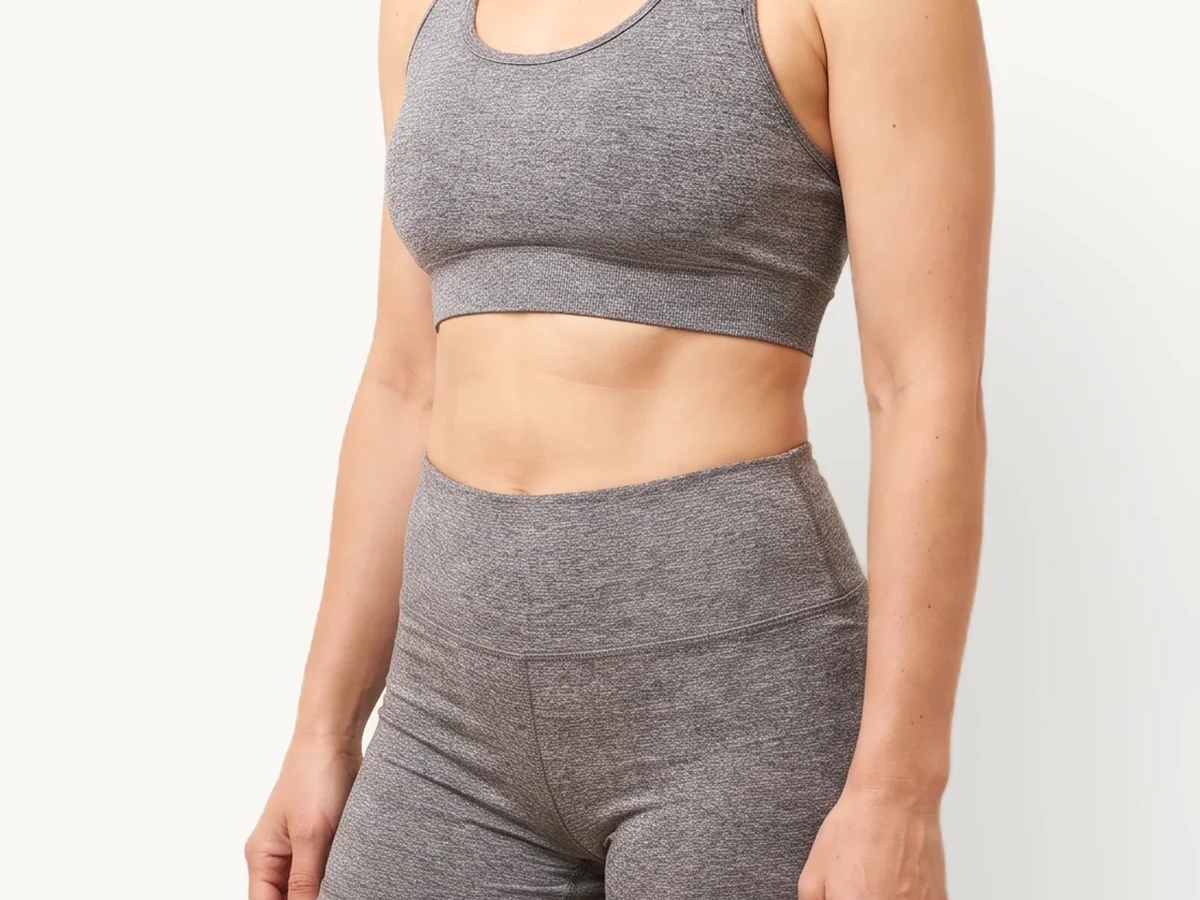
Skin, fat, and muscle are not interchangeable
Liposuction removes localised deposits of fat sitting beneath the skin. Its indication is a patient at a stable weight with good skin elasticity, where removing the fat allows the skin to retract smoothly over the new contour.
A tummy tuck, or abdominoplasty, removes excess skin from the lower abdomen and, where indicated, brings separated abdominal muscle back together. It is the only one of the two that addresses either of those problems.
There is also a third possibility that neither operation solves. Fat inside the abdominal cavity, around the organs, produces a firm round abdomen rather than a soft pinchable fold. That is visceral fat and it responds to weight loss, not to surgery.
How the decision is actually made
What the examination is looking for
Dr. Samas assesses the abdomen layer by layer rather than as a single problem, and the plan follows from that.
- Skin quality and whether the envelope will retract if fat is removed from beneath it.
- Whether there is a genuine soft fold to pinch, or a firm abdomen that suggests visceral fat.
- Whether the abdominal muscles have separated, which is examined directly rather than guessed.
- How much of the laxity sits below the navel and how much extends above it.
- Whether previous pregnancies or significant weight loss have stretched the fascia as well as the skin.
- Your general health and stability of weight, because both operations are performed on a stable baseline.

Combining the two
Liposuction and abdominoplasty in one operation
Many abdomens have both excess fat and excess skin, and the two procedures are commonly performed together. Doing so means one anesthetic, one recovery and a contour planned as a whole.
Combining also lengthens the operation, and longer operations carry higher risk than shorter ones. Whether to combine or to stage is a judgment about your health, the specific work involved and the total operating time, made with you at consultation.
Nicotine in every form, including vapes, patches and gum, impairs healing. Typical guidance is stopping at least four to six weeks before and after surgery, and Dr. Samas's own instructions come first.
Afterward
Contour follows swelling, and weight protects the result
Final body contouring results follow the resolution of swelling. That commonly takes months, and up to about a year for abdominoplasty, so the shape you see early is not the shape you keep.
Fat cells removed by liposuction do not grow back, but the fat cells that remain elsewhere can still enlarge with weight gain. Neither operation prevents future weight change from altering the result.
Compression garments are commonly used after both. Return to work and to exercise varies by patient and by procedure, and any typical timeline is subordinate to the instructions Dr. Samas gives you.
FAQ
Tummy tuck or liposuction, answered
This page is general information. Candidacy, recovery and what to expect are discussed at your consultation.
Read next
The two procedures compared here